
The Long Language Journey Home

July 7, 2026
Published on:
One of my favorite things to do when I travel is to find books related to language and identity. It’s my version of treasure hunting. So when I went to Fishtown, Philadelphia, this past weekend, I searched all the bookstores near my area. Many were closed because of the 4th of July celebrations, but I found one, The Head & The Hand, nearby, promoting the book Mother Tongue by Sara Nović. I already had this book on my list, so just before returning to Maryland, we stopped by to pick it up and found out the author is local to Philly (even more cool).
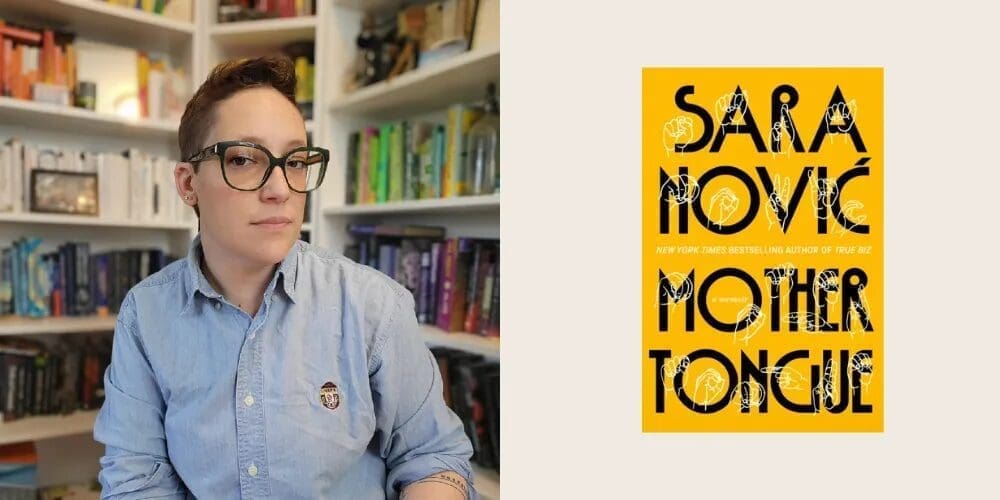
When I got home, I unpacked, got my things ready for the week, and, after a shower to wind down before bed, I started reading the book. After I finished the first chapter, I told my partner, “I can already tell I’m going to love this book”. Not only does it talk straight out of the gate about language and belonging, but it is also not a “traditional” language story.
Unique Language Story
Many stories about learning languages feature people learning new languages later in life after moving, and they then have to negotiate between old and new identities. There are similarities between traditional and nontraditional stories related to the discomfort of learning a language later in life. There are also often circumstances that make one feel “in between” worlds. But often the distinction lies in the security and grounding one feels in their first and home language, as the one they feel most confident in.
I have not read many examples of the complicated experience of those who are between languages and therefore identities throughout their lives.
People who are constantly asking not only ‘do I belong?’ but also continuously pulling on that thread as they explore who they believe they are and who they are told they should identify as.
People who are wrestling with how they identify and how it relates to learning a language, losing a language, and processing what this means for new and established communities.
This book does that and more, as the main character not only navigates their own experience through the hearing world and the deaf and hard of hearing community as an individual, but also as a parent. And in that first chapter, there was one line in particular that struck me.
The Line That Got Me
“American Sign Language is for K, for us, a chance at the long way home.” (Nović, p.7)
One of her children, K, and Novic both identify as part of the deaf/hard of hearing community, and despite their different language learning experiences and backgrounds, they have found that this language brings them back to themselves, to the community that they belong to, in a way that other languages may not ever be able to do.
This statement makes me think that, regardless of the path, there is a way home for all of us if we can find the language to get us there.
Thoughts on The Long Way Home (to Language)
This statement made me think of:
Hope.
Not all language journeys are direct. But with enough exploration, support, and the right community, you can find a way home to yourself and the community that’s right for you.
Curiosity.
What truths can we learn about language and belonging, regardless of the language(s) (spoken or signed)?
Process.
Efficiency is not key to finding oneself. Authenticity is.
(Be)Longing.
Those of us who straddle language worlds yearn for acceptance. In order to find your community, you need to figure out who you are and who you aren’t. With this in mind, you can find a group that understands and appreciates your unique story.
My Takeaways
The journey to your home language and culture doesn’t need to start or end with your first language and culture. If home is where the heart is, then your home language can be one you work towards, because it allows you to share your heart most authentically.
Language is critical to understanding who we are. And language is critical to understanding how we fit within a group or a community. Sometimes we shy away from the journey because it is long, but if you know you’re going home, it can feel a lot safer to start walking in that direction.
P.S. If you would like to share your experiences with language policies, comment on this blog post
Leave a Reply
Next blog

October 6, 2026
bilingualism, culture and language, heritage spanish learners, language, language and identity, learning, multilingual, no sabo, nosabo, Spanish

August 4, 2026
July 7, 2026
#WalkTheTalk


