
5 Views on Inclusive Spanish Language to Chat con la Familia
June 2, 2026
Published on:
This weekend, as happens from time to time, a conversation about inclusive language came up in a social setting. The topic often sparks strong opinions, especially in Spanish, where gender is built into the language itself. People bring a wide range of experiences, beliefs, and feelings to these discussions.
As someone who loves conversations that encourage us to think more deeply about language, I always find these exchanges fascinating. Rather than offering my own perspective, I thought this would be a great opportunity to share a few resources from people who have spent time researching, discussing, and exploring inclusive language from different angles.
Whether you’re already familiar with the topic or are just beginning to learn about it, these resources provide a range of perspectives to consider.
1. What Is Inclusive Language? (¿Qué es el lenguaje inclusivo?)
Video (5 minutes)
In this short video, AJ+ Español explains some of the different ways inclusive language is used in Spanish and explores the challenges that come with pronunciation, language change, and adapting linguistic norms. It’s a helpful introduction for anyone looking to better understand the conversation.
2. Inclusive Language and Visibility
TEDx Talk by Daniel Del Sol
In this TEDx talk, Daniel Del Sol discusses the role that inclusive language can play in making marginalized communities more visible. He invites viewers to think about language not just as a reflection of society, but as something that can also help shape it.
3. The Debate Around Inclusive Language in Puerto Rico
In this TeleOnce Puerto Rico interview, Sammy Nemir and Alondra Hernández of the Federación LGBTQ+ discuss proposed efforts to eliminate gender-inclusive language from official government documents. The conversation explores how inclusive language is currently used, the potential impact of restricting it, and why many advocates see it as a tool for increasing visibility and inclusion for marginalized communities.
4. Puerto Ricans as a Case Study for the Adoption of Gender-Inclusive Language in Spanish
Research Article by Maya Torres Colom
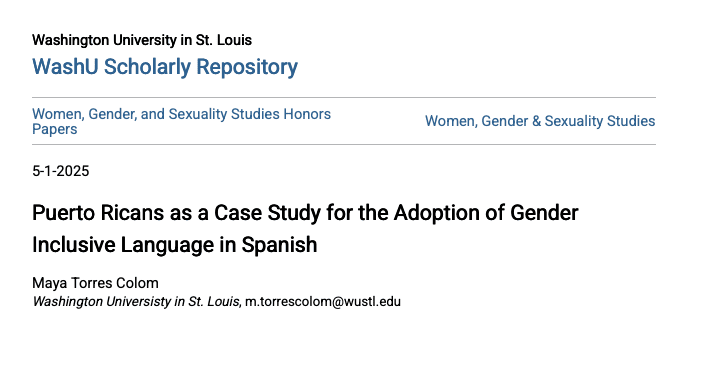
For those interested in a more academic perspective, this research paper examines attitudes toward gender-inclusive language among Puerto Ricans. The study investigates why some people choose to adopt inclusive language while others resist it, offering valuable insight into the social, cultural, and linguistic factors involved.
5. Welcome to El Barrio Podcast: Vico Ortiz on Language, Identity, and Community
In this episode of Welcome to El Barrio, performer and drag king Vico Ortiz shares thoughts on identity, community, and language. The conversation explores how inclusive language can create space for self-expression, play, and belonging while challenging assumptions about the limits of language.
What Are Your Thoughts?
Language is constantly evolving, and conversations about inclusive language often touch on larger questions about identity, culture, accessibility, and belonging.
What are your thoughts on gender-inclusive language? Have your perspectives changed over time?
I’d love to hear your reflections in the comments.
P.S. If you would like to share your experiences with language policies, comment on this blog post
Leave a Reply
Next blog
October 6, 2026
bilingualism, culture and language, heritage spanish learners, language, language and identity, learning, multilingual, no sabo, nosabo, Spanish

August 4, 2026

July 7, 2026
#WalkTheTalk


